Skip to content

AI for procurement

AI identifies risks in documents before procurement begins and prepares a shortlist after bids close.

Why this matters

Digital documents.Manual work.

Even with Word, PDF and Excel, teams still read requirements, cross-check offers and copy details by hand. Advances in AI now make it possible to assist with this work, freeing attention for suppliers and procurement decisions.

An illustration of manual procurement work: a delivery clause is marked in a Word requirements document and a PDF supplier offer, while an Excel comparison sheet waits for the details to be copied across.

Document audit

AI identifies risks in procurement documents, highlights relevant clauses and explains its findings.
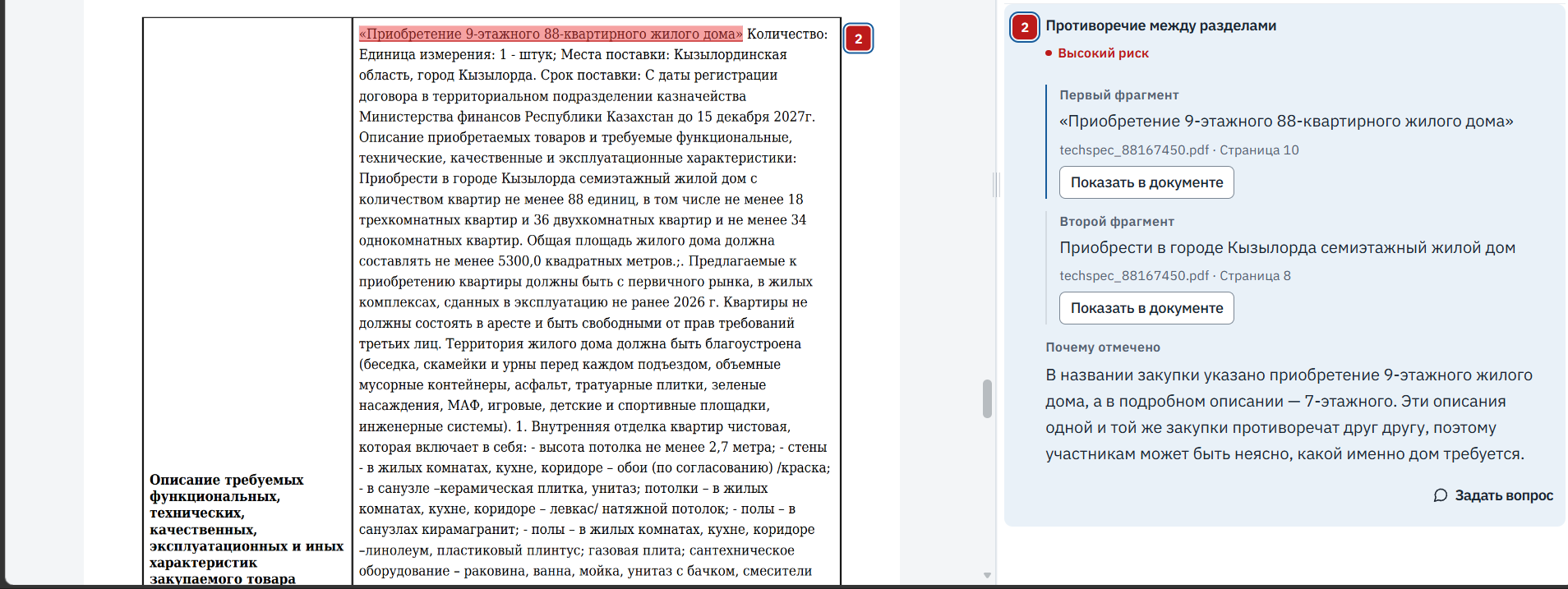
Actual Techspec 88167450 audit: the document on the left highlights a requirement for a building with nine storeys. The right panel compares it with a requirement for seven storeys and explains the contradiction. Both the document and the panel explanation are in Russian.

Bid evaluation

AI checks bids against requirements, compares qualifying offers and suggests a shortlist.
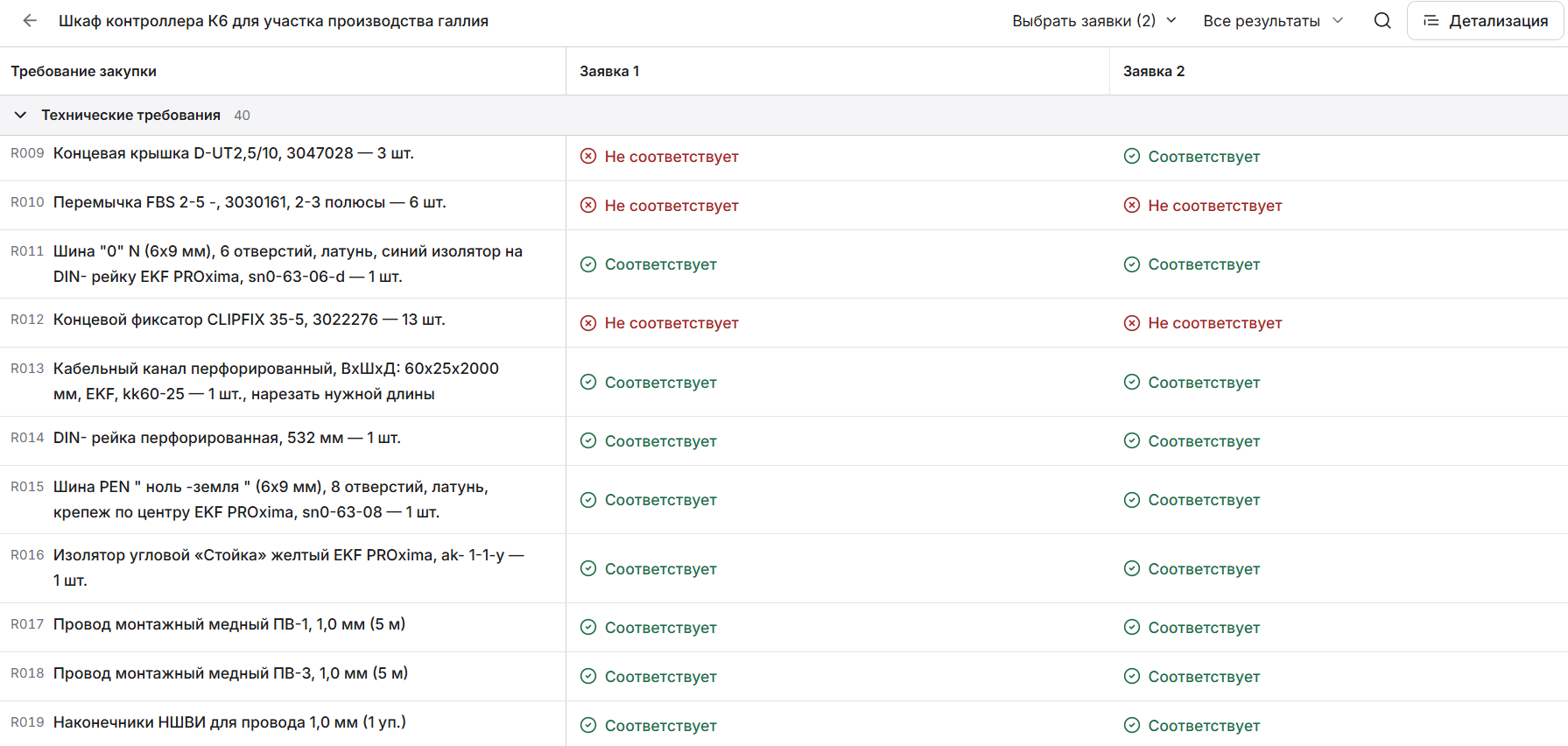
Bid evaluation interface in Russian: original technical requirements beside two submitted bids, with green checks for matching requirements and red crosses for mismatches.

Let’s talk

  1. Discuss your needs

    Choose a task for the pilot, agree which documents to use and decide how to evaluate the results.

  2. Pilot project

    Try the agreed workflow on your documents and assess the results together against the pilot goals.

  3. Full integration

    Decide whether to proceed after the pilot, then agree integration scope for your procurement systems and workflows.

Let’s discuss your needs

In 20 minutes, we’ll show you the product and discuss whether it fits your procurement needs. There’s no obligation to continue.

Email us directly

yerkhat@gaust.net
AI for procurement | Gaust